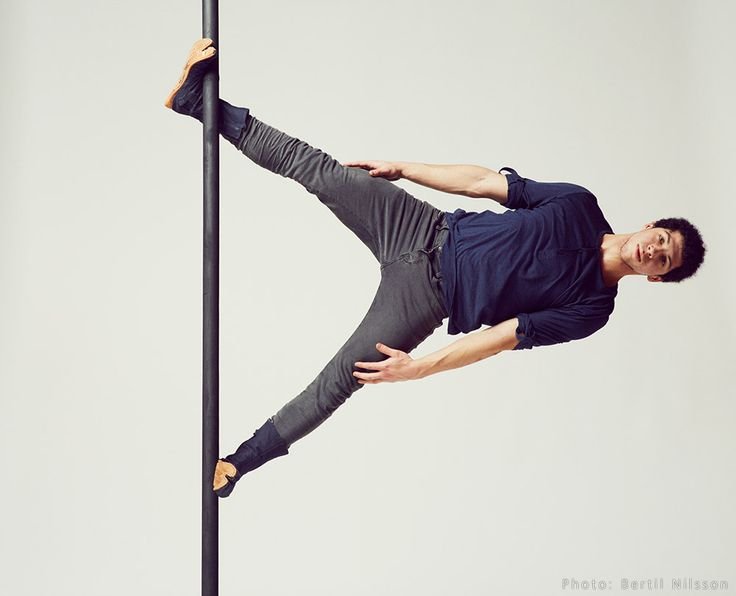
Pole dancing can seem challenging at first, but many foundational tricks are accessible to beginners with practice and patience. Learning these basic moves helps build strength, coordination, and confidence on the pole.
Some of the best pole dance tricks for beginners include the fireman spin, chair spin, and pole sit, all of which focus on grip and balance without requiring advanced flexibility. These tricks lay the groundwork for more complex moves while ensuring safety and control.
Approaching pole dancing with proper technique and gradual progress reduces the risk of injury and boosts enjoyment. Beginners who master these tricks will feel motivated to keep improving and exploring new skills.
Getting Started With Pole Dance
Starting pole dance requires the right tools, a focus on safety, and proper body preparation. The following details provide key points on what beginners need for effective and secure practice.
Essential Equipment for Beginners
A sturdy, quality pole is vital. Poles come in various materials like stainless steel or chrome, offering different grips. Beginners often prefer a 45mm diameter for easier handling.
Clothing should expose skin for grip, such as shorts and sleeveless tops. Avoid lotions as they reduce friction and increase slipping risks.
A crash mat can protect against falls during practice. Additionally, grip aids like liquid chalk improve hand hold without causing mess.
Safety Precautions
Safety is critical. Beginners must learn to engage their core and control movements to avoid injuries.
Never practice when fatigued or unwell, as this increases accident risks. Poles should be securely installed and checked regularly.
Spotters, either an instructor or a trusted partner, help during difficult moves. Hydration and listening to the body’s limits prevent overexertion.
Warm-Up and Stretching Fundamentals
Warm-ups increase blood flow and reduce injury risk. Simple cardio like jumping jacks or jogging in place for 5 minutes prepares muscles.
Stretch key areas: wrists, shoulders, hips, and hamstrings, which are essential in pole dancing. Hold stretches for 20-30 seconds without bouncing.
Dynamic stretches such as arm circles and leg swings improve flexibility and joint mobility. Proper warm-up readies the body for exertion and enhances performance.
Foundational Pole Dance Tricks for Beginners
These foundational tricks build essential strength and coordination. They focus on grip, balance, and smooth transitions, creating the base for more advanced moves.
Pole Walk and Step-Around
The Pole Walk and Step-Around teach basic movement and balance on the pole. The dancer holds the pole with one hand while stepping around it with controlled, deliberate footwork.
The key is maintaining a strong grip and upright posture. This trick develops confidence in moving fluidly while staying close to the pole. It also enhances foot placement and body alignment.
Beginners should practice slowly, ensuring each step is deliberate and secure. Repetition builds muscle memory and helps avoid stiffness.
Fireman Spin
The Fireman Spin is one of the first spins beginners learn. It involves gripping the pole with both hands, jumping slightly, and rotating the body around the pole while keeping the legs together or slightly apart.
Focus on grip strength and smooth initiation of the spin. Success requires engaging the core and controlling momentum to avoid swinging too far outward.
Safe landings demand bending the knees and absorbing impact. Practicing both directions helps in building overall coordination and balance.
Chair Spin
The Chair Spin adds complexity by lifting the body and extending the legs into a seated position mid-spin. The dancer leans away from the pole while gripping it with hands and initiates rotation.
Core engagement and upper body strength are vital here. The move requires control to maintain the leg position without losing momentum.
Beginners should start slow, using controlled pushes to build confidence transitioning into the spin’s shape. Proper hand placement on the pole prevents slipping.
Improving Grip and Strength
Effective pole dancing relies heavily on grip and overall body control. Strengthening specific muscles and mastering grip techniques enhance performance and reduce the risk of slipping or injury.
Building Hand and Core Strength
Developing hand strength is essential for maintaining a secure hold on the pole. Exercises like squeezing a stress ball, using hand grippers, and finger extensions help strengthen the fingers and forearms.
Core strength is equally important. Movements such as planks, leg raises, and hollow body holds build the abdominal muscles used for stability and control during spins and climbs.
Scheduling targeted strength workouts 3-4 times a week improves endurance and grip consistency. Consistent, focused training creates the foundation needed for progressing in pole tricks safely.
Common Grip Technique Tips
Chalk or grip aids can reduce sweat and improve friction. However, overuse can lead to dry skin, so balance their use carefully.
Proper hand placement revolves around holding the pole with a combination of contact points: fingertips, palm, and sometimes the thumb. Avoid gripping with just one part to distribute pressure evenly.
Maintaining relaxed shoulders while holding tight grip minimizes fatigue. Engaging the upper back muscles supports the wrists and prevents strain during holds and spins.
Beginner Pole Poses and Static Moves
These foundational moves build essential strength and control. They require focus on grip, body positioning, and slow, deliberate movements to develop stability.
Pole Sit
The pole sit is a basic pose where the dancer supports their weight by squeezing the pole between their thighs.
To perform it, the dancer climbs to a comfortable height, grips the pole with both hands at chest level, and pulls their thighs around the pole. They should engage their core and squeeze firmly to hold their weight.
Proper foot placement is important: feet point downward or slightly out for balance. The pole sit improves inner thigh strength and grip endurance while giving the dancer confidence with body support.
Pole Hold
The pole hold involves gripping the pole with the arms while the body remains mostly vertical.
The dancer wraps one or both hands firmly around the pole at about waist to chest height. They engage the core, keeping the body close to the pole to maintain control.
This move helps build arm, shoulder, and core strength needed for spinning and climbing. Maintaining tightness in the grip and controlled breathing supports longer holds and better balance.
Body Wave
The body wave adds fluidity through a sequential, wave-like motion in the torso while the dancer stays connected to the pole.
Starting from the chest, the dancer initiates a smooth, controlled ripple down through the ribs and hips. They keep their hands lightly gripping or sliding on the pole for stability.
This move improves body awareness and flexibility, teaching dancers how to isolate muscle groups. Practicing slow, deliberate waves enhances overall flow in pole dancing routines.
Spins and Transitions for New Dancers
Spins and transitions build fluidity and control in pole dancing. Mastering these movements involves grip technique, body positioning, and smooth momentum.
Back Hook Spin
The back hook spin begins with gripping the pole firmly with the inside hand while hooking the back of the knee around the pole. This hook acts as a pivot point for the spin.
The dancer pushes off the floor with the outside foot to generate momentum. Maintaining a strong core helps control the spin speed and stability.
Key points include keeping the hips close to the pole and using the hooked leg to guide rotation. The outside hand supports balance but does not pull.
Front Hook Spin
In this spin, the dancer hooks the inside knee at the front of the pole rather than behind it. This position allows for forward rotation around the pole axis.
The dancer uses the gripping hand to hold the pole steady while the hooked leg swings outward to initiate the spin. The other foot leaves the ground slightly to aid smooth turning.
Core engagement keeps the torso aligned. This spin typically feels less intense than the back hook and is useful for linking moves. Foot placement and timing are essential for flow.
Flow and Choreography Basics
Smooth transitions and timing with music are essential to create an engaging pole dance routine. Understanding how to join tricks and move with rhythm improves both performance quality and confidence.
Linking Tricks Smoothly
Linking tricks smoothly involves controlled movement and body awareness. Beginners should focus on slowing down between tricks rather than rushing. This helps maintain balance and control.
Using common points of contact, like hands or thighs, can make transitions less abrupt. For example, shifting hand grips gradually during a spin creates fluidity. Breathing steadily supports smooth, continuous motion.
Practicing sequences repeatedly builds muscle memory, reducing pauses between tricks. Visualizing the routine before dancing helps anticipate movements, making connections more natural.
Musicality for Beginners
Musicality means matching movements to the music’s beat, tempo, and mood. Beginners can improve by listening closely to specific musical elements like rhythm and accents.
Counting beats aloud is a simple way to stay on tempo. Dancers can align trick changes with strong beats or breaks in the music to emphasize impact.
Choosing songs with clear, consistent rhythms is beneficial for practice. Beginners should experiment with slight pauses or held poses to highlight musical phrases without losing flow.
Common Beginner Mistakes and How to Avoid Them
Beginners often try to rush into advanced moves without mastering the basics. This can cause frustration and increase the risk of injury. It is important to focus on proper grip, posture, and body control first.
Another frequent mistake is neglecting warm-up and stretching. Skipping this step reduces flexibility and can lead to muscle strain. A thorough warm-up improves performance and safety.
Many beginners rely too much on upper body strength alone. Pole dancing requires full-body engagement, especially core and legs. Practicing weight distribution and using legs to grip the pole improves stability.
Incorrect hand placement is a common error. Hands should be positioned firmly but relaxed to avoid slipping or bruising. Beginners benefit from practicing different grips on the pole.
Beginners sometimes ignore rest periods between attempts. Overworking muscles can cause fatigue and delay progress. Taking breaks allows the body to recover and strengthens endurance over time.
| Common Mistake | How to Avoid It |
|---|---|
| Rushing advanced moves | Focus on mastering fundamentals |
| Skipping warm-up | Always warm up and stretch properly |
| Using only upper body | Engage core and legs evenly |
| Poor hand placement | Practice solid yet relaxed grips |
| Neglecting rest | Take frequent breaks to recover |
Progression and Setting Realistic Goals
Progression in pole dance requires patience and consistent practice. Beginners should focus on mastering basic moves before attempting advanced tricks. This approach helps prevent injury and builds a solid foundation.
Setting realistic goals makes the learning process manageable. Goals can be short-term, like holding a spin for 10 seconds, or long-term, such as executing an invert safely. Clear goals keep motivation high and provide measurable milestones.
A helpful way to track progress is by using a simple table:
| Goal Type | Example | Timeline |
|---|---|---|
| Short-term | Hold a basic spin | 1-2 weeks |
| Mid-term | Perform a basic invert | 1-2 months |
| Long-term | Combine spins and holds smoothly | 3-6 months |
Beginners are encouraged to listen to their bodies. If a trick feels too difficult, they should return to fundamentals. Consistent practice and gradual difficulty increase lead to steady improvements.
Focusing on incremental progress rather than perfection keeps the experience positive. Teachers or experienced dancers can help tailor goals based on individual abilities and fitness levels.
Safety and Injury Prevention Tips
Beginners should always warm up before starting pole dance practice. Stretching muscles and joints reduces the risk of strains and increases flexibility.
Using a spotter or instructor during difficult moves is important. They can provide support and guidance to prevent falls or injuries.
Proper grip is essential to avoid slipping. Chalk or grip aids can improve hold and reduce hand fatigue.
Wearing appropriate clothing helps maintain skin contact with the pole. It also protects against abrasions while allowing freedom of movement.
Rest and recovery are vital. Overworking muscles or ignoring pain can cause long-term injuries.
A clean, sturdy pole is necessary. Dirt or moisture on the pole surface increases the risk of slipping.
Common precautions include:
- Check pole stability before each session
- Keep nails trimmed to prevent skin damage
- Avoid practicing on slippery surfaces
- Stay hydrated during training
Keeping these measures in mind helps beginners build strength safely and enjoy pole dancing without unnecessary injury.
Finding Classes and Building a Practice Routine
Finding the right class is essential for beginners. They should look for studios or instructors with positive reviews and experience teaching beginners. Some studios offer trial classes, which help decide if the style and teaching approach fit their needs.
Online classes are also an option, especially if local studios are limited. Videos and live sessions can provide a flexible schedule. However, beginners should ensure they follow proper form to avoid injuries.
Creating a consistent practice routine boosts progress. Beginners can start with short sessions, about 20-30 minutes, focusing on warm-up, technique drills, and cool-down. Practicing two to three times per week is a good starting point.
Keeping a practice journal helps track improvements and challenges. Recording skills learned, difficulties, and goals supports focused development. It also increases motivation and accountability.
A sample weekly routine might look like this:
| Day | Focus | Duration |
|---|---|---|
| Monday | Warm-up, basic spins | 30 minutes |
| Wednesday | Pole holds, strength | 20 minutes |
| Friday | Combining moves | 30 minutes |
This schedule balances skill-building and rest. Rest days allow muscles to recover, reducing the risk of strain.
Beginners should also incorporate general fitness activities, like stretching and core strengthening. This supports pole dance strength and flexibility.
Finding supportive communities or practice partners can enhance motivation. Sharing progress and challenges with others helps maintain consistency.