Pole dance is everywhere now—bright studios, fitness classes, competitions, and social media feeds. It’s celebrated for strength, creativity, and self-expression. But pole dancing’s story is much older and more complex than most people think. It includes ancient Indian athletes, circus performers, burlesque stars, strip club innovators, and modern-day athletes pushing for Olympic recognition.
This article traces the history of pole dance, showing how it evolved from ritual and sport into one of the world’s most versatile art and fitness forms.
Ancient and Cultural Roots
Before nightclubs and studios, poles were tools for exercise, ceremony, and performance.
Mallakhamb (India)
- Originating in the 12th century, mallakhamb means “wrestler’s pole.” Athletes performed yoga-like poses and gymnastics on a thick wooden pole to build strength, balance, and flexibility.
- It’s still practiced today, showing how pole-based training has long been respected for athletic value.
Chinese Pole Acrobatics
- Chinese circuses used tall, sometimes 20-foot poles for daring routines. Performers flipped, slid, and leapt between poles, requiring huge core and grip strength.
- These shows date back centuries and influenced many acrobatic styles.
Folk and festival poles
- European maypole dances and African rituals used poles for communal celebrations. While different in style, these examples show how poles have long been linked with movement and joy.
These early forms were about strength, art, and community—not sensuality. But they proved that poles could challenge the body and spark creativity.
The Circus and Sideshow Years
In the early 1900s, poles appeared in entertainment settings. Traveling circuses and fairs had tent poles that dancers sometimes used to add flair to routines.
By the 1920s and 30s, sideshows and burlesque acts grew popular. Though still far from today’s pole tricks, performers were starting to explore the pole as a prop. This set the stage for what was coming next.
The Nightclub Era and Exotic Dance
By mid-century, poles entered nightlife.
- Burlesque and strip clubs: Dancers discovered poles could add drama and athleticism to shows. They climbed, spun, and inverted—moves that required strength and flexibility.
- Innovation despite stigma: These performers were often judged harshly, but they created techniques that still form the foundation of pole dance today.
One of the first known clubs to install brass poles was Mary’s Club in Portland in the 1950s. Dancers there experimented with spins and tricks, unknowingly creating the blueprint for modern pole.
Pioneers Who Changed the Game
The shift from exotic dance to mainstream fitness happened thanks to a few bold visionaries:
- Fawnia Mondey (Canada, 1990s): She made the first instructional pole dance video and opened a school. This was the first step toward teaching pole as fitness and art.
- KT Coates (UK): Performed publicly and advocated for pole as a sport, helping to remove stigma and create a more professional image.
- Early studio owners: By the 2000s, pole studios opened worldwide, offering classes for everyone, not just dancers.
These pioneers saw pole’s athleticism and artistry. They took it out of the shadows and into gyms and stages.
Pole Dance as Fitness and Sport
By the 2000s, pole was everywhere.
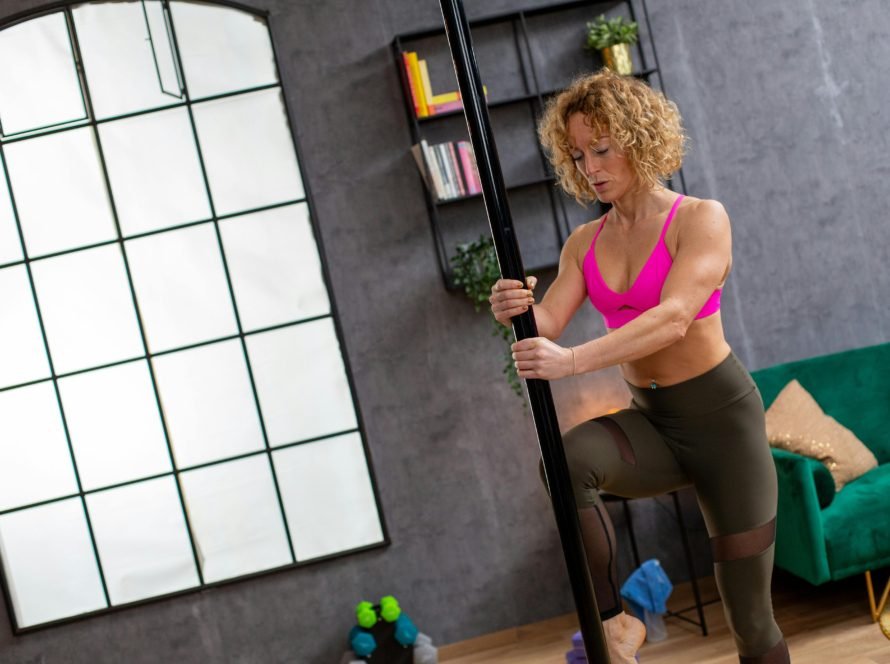
- Studios and gyms: Classes focused on strength, flexibility, and confidence. Pole became a fun alternative to boring workouts.
- Competitions: Shows like Pole Art, Pole Theatre, and the World Pole Dance Championship turned pole into a performance sport.
- Organizations: The International Pole Sports Federation (IPSF) created rules, safety standards, and competitions, aiming for Olympic recognition.
Pole dance is now seen alongside other acrobatic sports. Athletes train like gymnasts, and audiences admire the skill and beauty of routines.
Styles and Evolution
Modern pole is not one style; it’s many:
- Exotic and sensual: Keeps the roots of burlesque, mixing floorwork, heels, and fluidity.
- Sport and tricks: Focuses on big strength moves, spins, and holds, often barefoot.
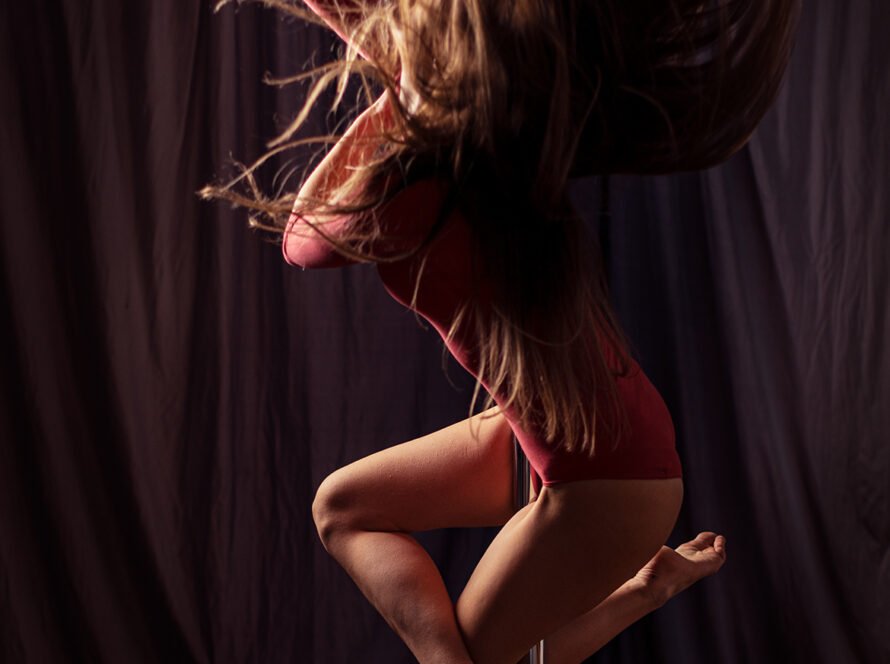
- Artistic and contemporary: Tells stories, using dance and emotion to create performances.
Social media has helped each style thrive, showing pole dancers as athletes, artists, and role models.
Cultural Shifts and Empowerment
Pole’s rise reflects bigger cultural changes:
- Body positivity: Pole welcomes all body types and celebrates progress over perfection.
- Feminism and self-expression: Many see pole as empowering, reclaiming sensuality as strength.
- Inclusivity: Men, women, and non-binary dancers of all ages now train and compete.
What was once seen as taboo is now a way to gain confidence and community.
Pole Today and the Future
Pole dance today is vibrant and growing:
- Studios operate worldwide.
- Online tutorials and competitions connect dancers globally.
- Professional athletes push limits with flips, drops, and creative storytelling.
There’s even a push for pole to join recognized sports federations. Whether or not it reaches the Olympics, pole has already claimed a space as a respected art form.
Final Thoughts
The history of pole dance is full of movement and reinvention. From sacred training in India to circus flips, from neon lights to fitness classes, it’s a story of creativity and courage.
Every time someone climbs a pole or spins with grace, they’re honoring that history. What was once hidden is now celebrated. And the story is still being written—every dancer adds a new chapter.