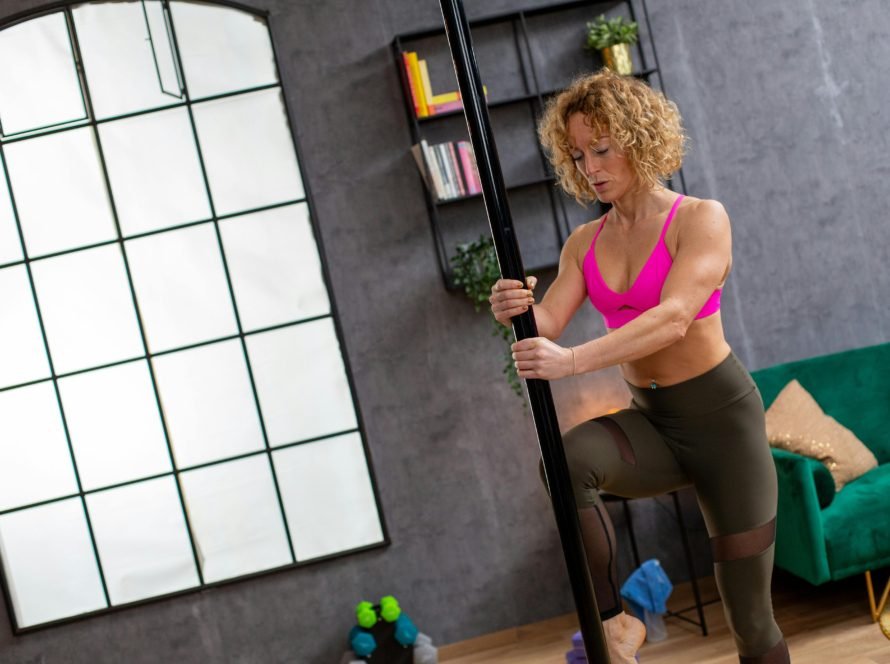
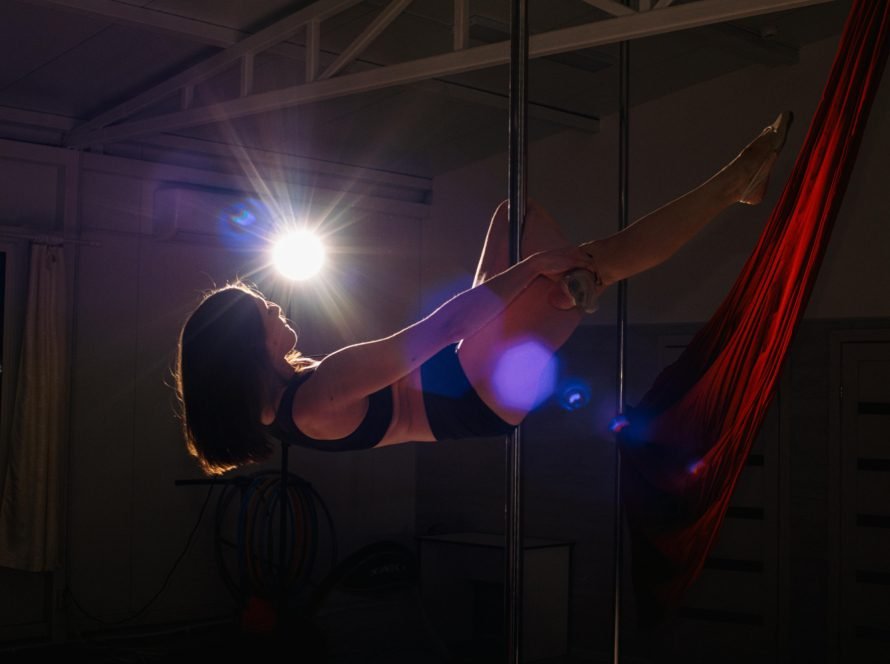
Learning to create pole dance choreography is one of the most rewarding parts of your journey. It challenges your body and mind, lets you express yourself, and helps you see your progress over time. In this guide, we’ll break down everything you need to know about choreographing your own pole routine, from music choice and move selection to transitions and confidence-building.
Why Pole Dance Choreography Matters
Many beginners focus on learning tricks—spins, climbs, sits, and inversions—but choreography is where those moves truly shine. It’s what turns individual skills into a meaningful performance.
Here’s why choreography is so important:
- Expression and creativity: A well-crafted routine lets you show your personality and emotions. It’s where you decide if your dance is playful, sensual, athletic, or dramatic.
- Memory and muscle control: Planning and repeating a routine strengthens your brain-body connection. You’ll improve timing, control, and fluidity.
- Showcasing growth: Choreography shows how far you’ve come. Even simple spins look powerful when they’re placed at the right moment.
- Confidence boost: Dancing through a routine feels amazing. Knowing what comes next helps reduce anxiety during practice or performance.
Getting Started: Basics for Beginners
Before building your first routine, make sure you’re comfortable with basic movements. These are your foundation:
- Spins: Fireman spin, chair spin, and back hook are staples.
- Pole sits and climbs: Simple holds give you time to pose or transition.
- Floor work: Rolls, slides, and transitions on the floor add variety and give your arms a break.
- Body waves and walks: These are small but powerful. They add flow and make your dance feel connected.
Tip: Don’t stress if you can’t invert yet. You can create beautiful choreography with beginner moves. It’s all about flow and attitude.
Step 1: Pick the Right Song
Music sets the mood for your routine. It tells you whether to move slow and smooth or sharp and energetic.
Questions to ask when picking a song:
- Do you want a fun, flirty vibe or something more intense?
- Is your routine short (for social media) or a full three-minute performance?
- Does the music have clear beats or dramatic moments?
Tips for success:
- Choose a song you genuinely love. You’ll practice it dozens of times.
- Slower or mid-tempo songs are often easier for beginners. They give you time to think and move.
- Listen for the “high points” in the music. Plan your biggest tricks there for more impact.
Step 2: Choose Your Moves
Next, create your “move bank.” Write down the tricks and spins you know, sorted by difficulty.
For beginners: Chair spin, fireman spin, pole sit, pirouette, body rolls.
For intermediates: Outside leg hang, laybacks, small combos.
For advanced dancers: Aerial inverts, flips, dynamic spins.
Why list your moves? Seeing your options makes it easier to plan. You can mix easier moves with harder ones to keep your routine balanced and safe.
Step 3: Focus on Transitions
Transitions are what make choreography smooth. The best routines aren’t just trick after trick; they flow like water.
Transition tips:
- Link tricks: For example, climb → pole sit → slide down → spin.
- Use the floor: Crawls, shoulder rolls, and slides give you space to rest and create drama.
- Change levels: Start high, drop low, or spin mid-way to keep the audience’s eyes moving.
Practice moving between tricks without stopping. It’s okay if it’s messy at first—record yourself and refine.
Step 4: Count the Music
Counting keeps you on beat and helps your choreography feel intentional. Most songs use 8-count phrases:
1-2-3-4-5-6-7-8
Start by clapping along or tapping your foot. Place your bigger moves (like climbs or holds) on the stronger beats. Save dramatic moments for big drops or choruses.
Step 5: Build Your Routine
Once you have your song and moves, start putting them together. A simple routine might look like this:
- Intro: Pose, walk around the pole, or a simple spin.
- First combo: Easy spins or basic tricks to warm up.
- Highlight: Your most impressive move. Place it near the chorus.
- Floorwork: Add variety, sensuality, or a rest moment.
- Finale: A dramatic pose or favorite trick to finish strong.
Don’t worry if it’s short. Quality over quantity. Two minutes of clean dancing is better than five minutes of struggling.
Step 6: Practice, Record, Refine
Expect your first draft to feel awkward. That’s normal.
- Record yourself often. You’ll spot awkward arms, timing issues, or dead spaces.
- Break it into sections. Practice the intro, then the first combo, and so on.
- Add details. Once the moves are solid, play with arm lines, facial expressions, and speed changes.
Creative Ways to Make It Yours
A good pole routine isn’t just about tricks—it’s about storytelling.
- Pick a theme: Romantic, fierce, playful, or mysterious.
- Costumes and props: Gloves, hats, or even a chair can make your performance stand out.
- Mix styles: Try blending contemporary dance, exotic, or fitness-based moves.
Remember: It’s your dance. There are no strict rules.
Safety and Strength
Pole dancing is fun but demanding. Always take care of your body.
- Warm up shoulders, wrists, and legs before you start.
- Don’t push advanced moves without proper spotting or mats.
- Listen to your body—if something hurts, pause and rest.
Good habits mean you’ll keep dancing injury-free.
Confidence Building
Feeling shy or nervous is normal, especially when starting. Here’s how to build confidence:
- Practice alone before sharing your routine.
- Film small parts and watch your progress—it’s motivating.
- Take group classes or workshops. Supportive communities are everywhere, and they help you feel braver.
Common Mistakes to Avoid
- Too many tricks: Overloading a routine makes it feel rushed.
- Ignoring transitions: Walking from one trick to the next without thought can break the mood.
- Skipping warm-up: Injuries happen fast. Always prepare.
Growing as a Pole Dance Artist
Once you feel comfortable, keep challenging yourself:
- Learn new combos and styles.
- Enter showcases, competitions, or online challenges.
- Watch and learn from others—pole dance is a creative community, and inspiration is everywhere.
Pole dance choreography is where strength meets artistry. It’s more than exercise—it’s a way to express yourself. By picking music you love, practicing transitions, and building confidence, you’ll create routines that are uniquely yours. Whether your goal is fitness, competition, or pure joy, the best routine is the one that feels like you.