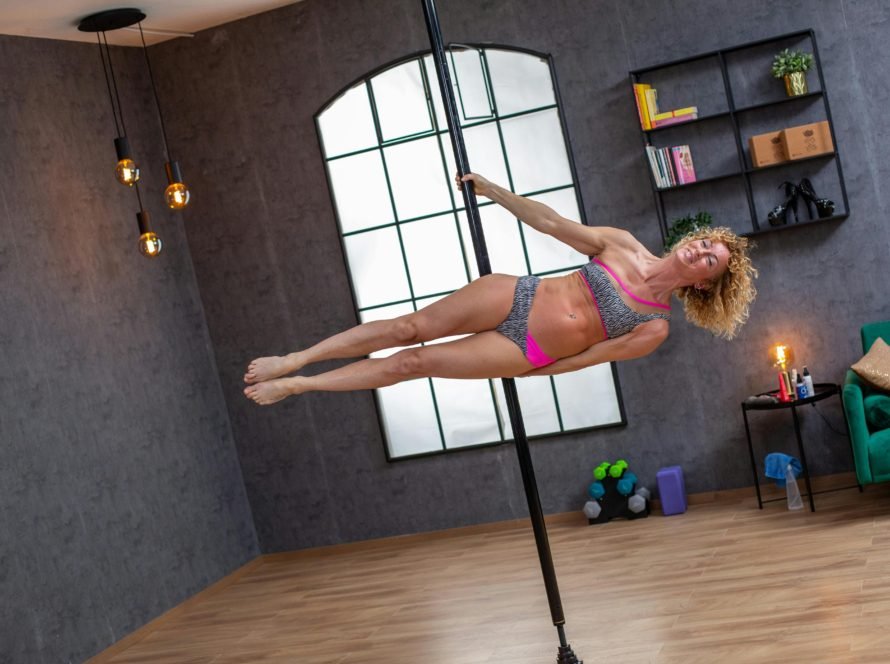
Pole dancing has grown from a misunderstood art into a fitness trend embraced by thousands of people worldwide. You no longer have to picture dimly lit clubs when you hear “pole dance”—instead, think bright studios, athletic training, and even competitions aired on TV and social media. Pole Dance Workout is now considered a legitimate sport, a performance art, and, most importantly, an incredible full-body workout.
One of the biggest reasons it’s become so popular? It works. Pole Dance Workout challenges your strength, endurance, flexibility, and coordination, all in one session. It builds muscles you didn’t know you had. Among all its benefits, core strength is where pole dancing shines. Every spin, climb, and hold engages your abs, back, hips, and stabilizers, helping you develop a strong, balanced body.
Whether you’re bored with the gym, want a workout that feels like play, or simply want to challenge yourself, pole dance might be the answer. In this article, we’ll explore why pole dancing is an excellent fitness routine, how it strengthens your core, and how you can start safely—even if you’ve never touched a pole before.
Pole dance workout: Why Pole Dancing Works as a Workout
At its core, pole dancing is about moving your own body weight. Unlike machines at the gym, the pole asks you to pull, push, twist, and stabilize—all using your strength and coordination. It’s a type of functional fitness, meaning it mimics natural movements and challenges multiple muscles at once.
Pole dancing works your entire body:
- Upper body: Your arms, shoulders, and back are constantly engaged. Even simple spins require you to grip and hold. Climbing the pole is like doing vertical pull-ups.
- Core: Every lift and spin needs your abs and obliques to stabilize you. You’re training your midsection every time you step on the pole.
- Lower body: Your legs squeeze, hook, and extend, helping you stay on and transition between moves.
What makes pole dancing unique compared to traditional workouts is the combination of strength and grace. You’re not just doing reps—you’re dancing. The music, flow, and creative side keep you engaged, making it less likely that you’ll get bored.
Pole dance workout: The Power of Core Strength
Your core is the foundation of almost every movement you do in daily life—walking, bending, lifting. In pole dancing, your core is everything.
How pole dance builds your core:
- Stabilization: Spins and tricks require your abs and back to stabilize your spine.
- Dynamic movement: Unlike static crunches, pole moves are often in motion. This challenges deep core muscles and improves balance.
- Inversions and lifts: When you start to go upside down, your core strength takes center stage. Even basic inversions engage your abs more than many gym exercises.
Another hidden benefit? Functional strength. Because you’re using your whole body together, your core learns to work with your shoulders, hips, and legs. This translates to better posture, better movement patterns, and even reduced risk of injury in everyday life.
Beyond the Core: Total-Body Benefits
Pole fitness does more than tighten your midsection. Here’s what else you get:
- Upper-body and grip strength: From climbing to holding your body sideways, your arms, chest, and grip get stronger fast.
- Leg and glute strength: Hooks, holds, and kicks build strong thighs and glutes.
- Flexibility: Pole combines stretches with strength, improving range of motion in your hips, back, and shoulders.
- Cardio: Short routines raise your heart rate, improving stamina.
- Confidence: Every new trick mastered feels like a personal win. Seeing yourself climb higher or hold a pose longer is incredibly empowering.
Starting Your Pole Fitness Journey
The best part about pole fitness is that you don’t need to be strong or flexible to start. Everyone begins as a beginner, and the pole helps you get stronger along the way.
Step 1: Find a pole or studio. Many cities have dedicated pole fitness studios with beginner classes. If not, there are affordable home poles that can be safely installed.
Step 2: Learn basic grips and spins. Moves like the fireman spin, chair spin, and basic climb build your foundation.
Step 3: Warm up before every session. Shoulders, wrists, hips, and hamstrings should be prepared to reduce injury risk.
Step 4: Cross-train. Exercises like push-ups, planks, and yoga help support pole work.
Step 5: Rest and recover. Your skin and muscles will need time to adapt. Expect some bruises (often called “pole kisses”), but they fade.
Example Beginner Routine (30–45 minutes)
Warm-up (10 minutes):
- Arm circles, shoulder rolls, bodyweight squats, core activation (planks).
Pole basics (10 minutes):
- Fireman spin, chair spin, back hook spin.
- Practice grip strength and controlled dismounts.
Strength section (10–15 minutes):
- Pole sits (hold for time).
- Basic climb (focus on proper form).
- Knee tucks or leg lifts to engage core.
Floor and flexibility (5–10 minutes):
- Splits practice, back stretches, and shoulder mobility.
Cool-down (5 minutes):
- Deep stretches, breathing, and reflection on progress.
This structure builds strength and confidence while keeping things safe and fun.
Safety Tips for Pole Fitness
Because pole uses your full body weight, safety matters. Follow these simple tips:
- Skip lotions and oils before practice; they make poles slippery.
- Clean your pole often to keep grip strong.
- Listen to your body. If your shoulders or wrists feel strained, rest.
- Wear the right clothes. Skin contact helps grip, so shorts and a tank top work best.
Staying Motivated and Consistent
Like any fitness routine, consistency is key. Pole dancing can feel challenging at first, but progress comes quickly if you stick with it.
- Celebrate small wins: Your first spin, first climb, or first hold are all big milestones.
- Record your sessions: Watching yourself improves technique and shows progress.
- Join a community: Online groups, classes, and workshops provide support and inspiration.
- Mix it up: Try different music styles, heels vs. barefoot, or choreographed routines to keep things fresh.
Common Mistakes to Avoid
- Skipping basics: Rushing into advanced moves without foundation can cause injury.
- Poor warm-up: Cold muscles are more prone to strains.
- Overtraining: Pole can be addictive, but rest days are essential for growth.
- Neglecting core and flexibility off the pole: Supplementing with other exercises speeds progress.
Long-Term Growth
Once you master beginner moves, pole fitness can grow with you. There are endless tricks and styles to learn:
- Intermediate: Shoulder mounts, laybacks, inside and outside leg hangs.
- Advanced: Aerial combos, flips, dynamic spins, and strength holds like the human flag.
- Choreography and flow: Combine fitness with creativity by learning routines.
The beauty of pole is that there’s always something new. It’s fitness that evolves as you do.
Pole dance workout is more than a fitness trend—it’s a full-body workout that blends art and athleticism. It builds a rock-solid core, strengthens muscles, improves flexibility, and boosts confidence. Most importantly, it’s fun. When exercise feels playful, it’s easier to stay committed.
Whether your goal is to lose weight, gain strength, or simply feel amazing in your own skin, pole fitness offers a unique path. It’s challenging but deeply rewarding. Start small, be patient, and celebrate every spin, climb, and pose. Your future strong self will thank you.
And don’t forget to have a quality pole.