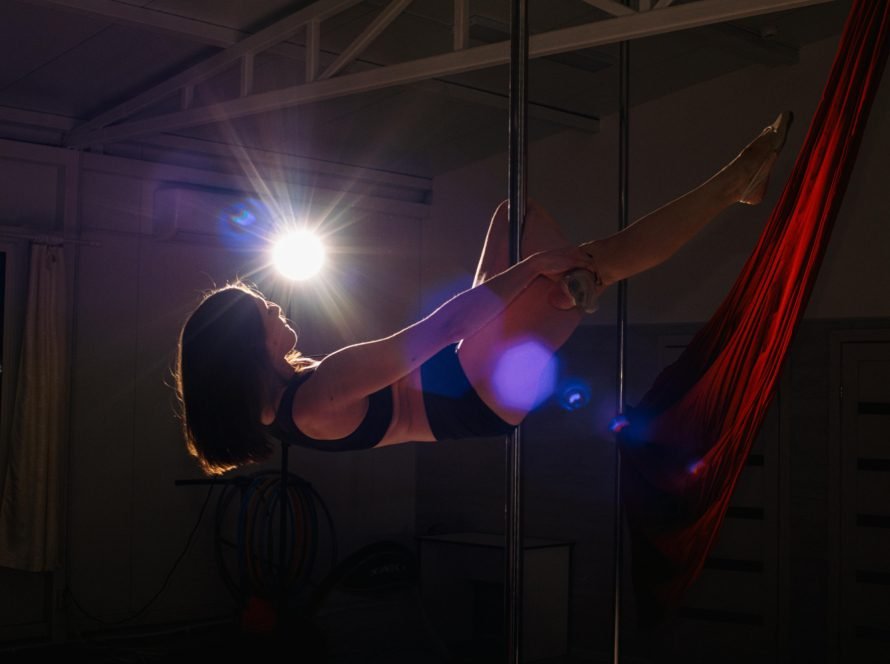
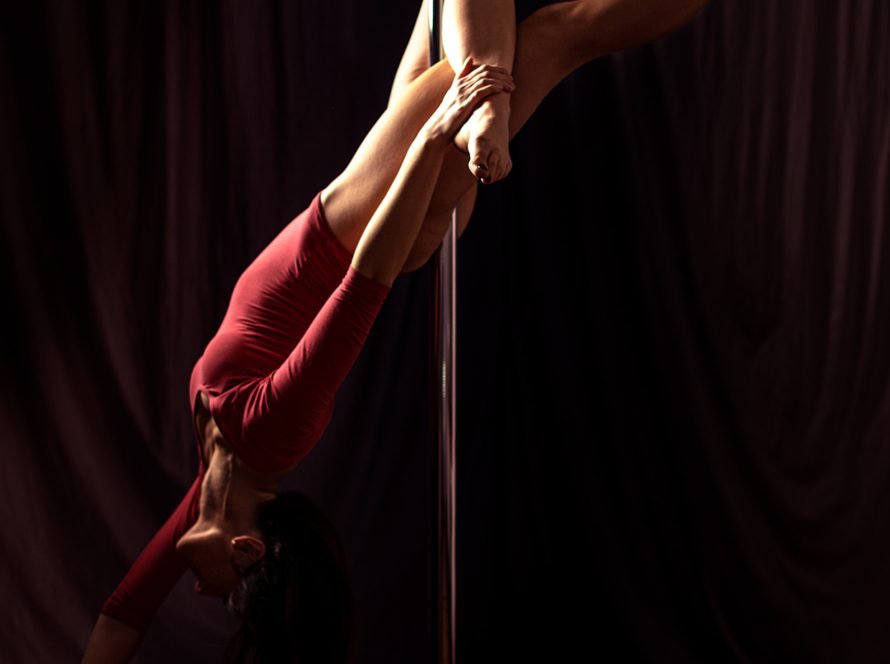
In recent years, pole dance has undergone a profound transformation, shedding old stigmas and emerging as a respected discipline that fuses art with athleticism. Far from its nightclub origins, pole dance has evolved into a holistic form of exercise that engages the entire body. Increasingly recognized as one of the most complete sports, it offers a unique combination of physical, mental, and emotional benefits — as well as an empowering sense of self-expression.
Full-Body Engagement and Cardiovascular Endurance
Contrary to common misconceptions, pole dance is a high-intensity cardiovascular workout. The dynamic, flowing movements — combined with transitions between spins, climbs, and inversions — elevate the heart rate and improve cardiovascular endurance.
Because routines are continuous, participants build not only strength but also stamina, making pole dance an excellent choice for those seeking a full-body, heart-pumping workout.
Flexibility and Range of Motion
Pole dance promotes flexibility and enhances mobility in ways that traditional workouts often overlook.
The spins, stretches, and extensions performed during routines increase flexibility in the hips, hamstrings, and shoulders.
As practitioners progress, they find themselves achieving positions that once seemed impossible, showcasing how transformative pole dance can be for flexibility and overall body awareness.
Core Strength and Stability
A strong core is the foundation of nearly every athletic endeavor — and pole dance is no exception.
Every move on the pole requires powerful core engagement to maintain balance and control. From inversions and holds to spins and transitions, the core muscles are constantly activated, leading to improved strength, stability, and posture.
Developing a solid center through pole dance positively affects overall strength, coordination, and functional fitness.
Artistic Expression and Creativity
Pole dance is far more than a set of choreographed movements — it’s a form of artistic expression.
Each dancer has the freedom to incorporate their personal style and interpretation into routines, making every performance unique and deeply individual.
This fusion of athleticism and artistry distinguishes pole dance from conventional sports, providing a platform for creativity and emotional storytelling through movement.
Education in Healthy Living
This sport encourages more than just physical training — it also inspires a healthy, balanced lifestyle.
Practitioners become more mindful of proper nutrition, rest, and recovery, understanding the importance of balance in achieving long-term well-being.
Through dedication to pole dance, many adopt habits that promote not only physical health but also mental and emotional harmony.
Opportunities for Competition and Growth
Pole dance offers opportunities for competition at various levels.
Competitions are not only a way to showcase skill and progress but also a motivating force that inspires practitioners to set new goals and continue improving.
There are both sport-based and artistic competitions, allowing each dancer to choose the style that best suits their personality and aspirations.
Aesthetic and Emotional Expression
Pole dance allows participants to express themselves both aesthetically and emotionally.
Every pose and movement carries intention and feeling, adding emotional depth to the sport.
This expressive dimension transforms pole dance into more than a physical challenge — it becomes an emotionally fulfilling experience.
Inclusivity and Diversity
Pole dance is a sport open to everyone — regardless of gender, age, or body type.
This inclusivity fosters a diverse and supportive community that celebrates individuality.
The empowering environment of pole dance invites everyone to explore movement, build confidence, and feel welcome, making it accessible to a wide range of participants.
Positive Shift in Social Perception
Pole dance has played a significant role in reshaping its own public image.
Once stigmatized, it is now recognized as a legitimate and demanding discipline that requires dedication, strength, and skill.
This cultural shift promotes awareness of the sport’s diversity, breaks down stereotypes, and opens the door for broader participation and acceptance.
Mental Focus and Concentration
Pole dance isn’t just physical — it requires intense mental engagement.
Dancers must memorize sequences, anticipate movements, and execute techniques with precision while maintaining grace and flow.
This balance between mental and physical engagement enhances cognitive function, mindfulness, and the connection between mind and body.
Training builds perseverance, discipline, and the ability to overcome obstacles — mental skills that extend far beyond the studio.
Empowerment and Confidence
Beyond its physical benefits, pole dance cultivates deep confidence and empowerment.
Mastering challenging moves fosters a sense of achievement and pride in one’s abilities.
This confidence extends to body image and self-perception, helping individuals develop a stronger, more positive relationship with themselves.
The supportive nature of the pole community further encourages personal growth and self-celebration — creating a space where everyone uplifts one another.
Conclusion: A Celebration of Strength, Art, and Empowerment
Pole dance has transcended stereotypes to emerge as one of the most complete sports — seamlessly blending physical conditioning, artistic expression, and mental empowerment.
Its ability to engage the entire body, enhance endurance and flexibility, and foster confidence makes it not just a workout, but a transformative experience.
As more people recognize the multitude of benefits pole dance offers, it continues to gain momentum as a sport that celebrates both strength and artistry.
This dynamic combination of endurance, creativity, and empowerment makes pole dance not merely a sport — but a lifestyle that promotes balance, confidence, and holistic well-being.